Home > exploring chittorgarh fort timings
Exploring Chittorgarh Fort: Timings, History & Travel Tips from Local Experts
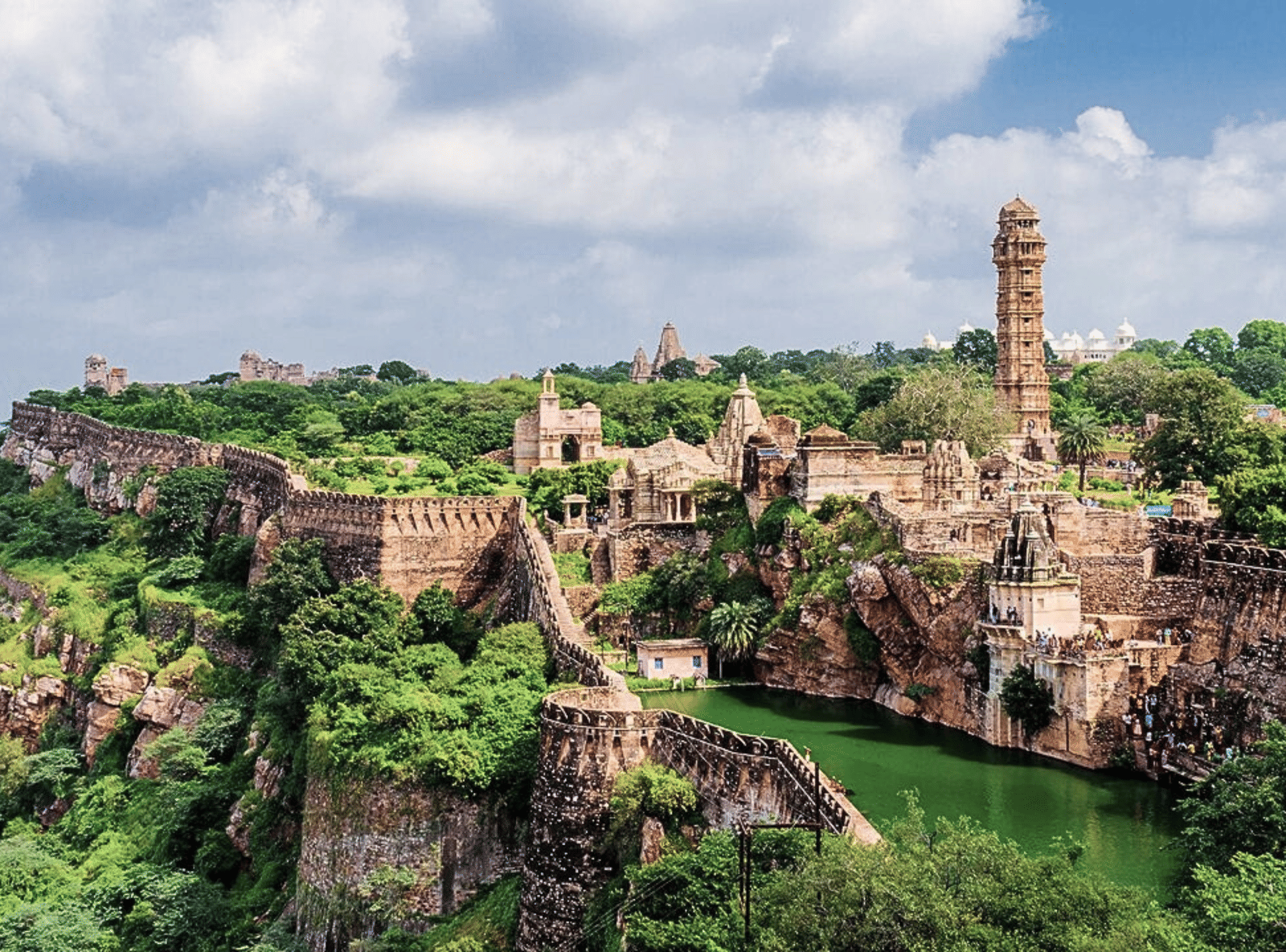
Chittorgarh Fort does not feel like a single monument. It feels like an old city spread across a hill. Roads wind past temples, towers, reservoirs, gates and palace ruins. Give it time. If you rush, you will see stone. If you slow down, the stories start to make sense.
The fort covers roughly 700 acres and rises on a hill above the modern city. Rajasthan Tourism notes a road of about one kilometre from the foothill to the summit, passing through seven gates. That scale explains why a quick stop rarely feels satisfying.
For travellers, couples and families, a comfortable Hotel in Chittorgarh makes the fort easier to enjoy. You can start early, return for a break, and head out again without turning the day into a rushed sightseeing schedule.
Chittorgarh Fort Timings: What Travelers Should Plan For
For a practical sightseeing plan, set aside a daytime visit around 9:00 AM to 5:00 PM. Current Government of India tourism information lists the fort as open from sunrise to sunset, so treat 9:00 AM–5:00 PM as a useful planning window rather than a guarantee of gate hours. Check locally on the day of your visit, especially around holidays or special events.
- Allow at least 3–4 hours for the main sights.
- Start early if you are visiting in warmer months.
- Carry water, sunglasses, a hat and comfortable walking shoes.
- Keep small cash available for local transport, refreshments and incidental expenses.
- If you want a guide, arrange one before you start rather than halfway through the visit.
The Walking Order We Suggest for First-Time Visitors
A common mistake is to jump from one famous monument to another without a route. Our preferred approach keeps the story and the walking manageable.
- Enter through the fort approach and take a moment at the gates. The gateways are part of the defensive story, not just an entrance.
- Move toward Rana Kumbha Palace first. This gives you an early sense of the old royal quarter and helps you understand the scale of the settlement.
- Continue toward Vijay Stambh. Spend time around the tower and nearby temples instead of treating it as a photo stop.
- Walk toward Kirti Stambh and the Jain temple area. The architecture changes here, and the details deserve a slower look.
- Continue toward Padmini Palace and the water area. This is a good point to pause and reset before the final stretch.
- Finish with any remaining temples, viewpoints or museums that fit your time. Leave a little buffer for the return drive.
This order works well for first-time visitors because it mixes the major landmarks with quieter stretches. If the heat rises, reverse the route and save the more open areas for earlier in the day.
Vijay Stambh: The Tower That Dominates the Skyline
Vijay Stambh, the Tower of Victory, dates to the reign of Maharana Kumbha. Rajasthan Tourism records its construction between 1440 and 1448 to mark his victory over the rulers of Malwa and Gujarat. The tower rises in nine storeys and carries a dense program of carved figures.
Stand back before you photograph it. The full height reads better when you give the tower some space. In the morning, the lower-angle light can pick out the carved surfaces without the harsh glare that arrives later.
Kirti Stambh: A Different Voice in the Fort
Kirti Stambh, the Tower of Fame, belongs to the Jain tradition. Rajasthan Tourism identifies it as a seven-storey tower dedicated to Adinath, the first Jain Tirthankara, and dates it to the 12th century. Jain figures cover its surfaces.
Do not compare it with Vijay Stambh only by size. They tell different stories. Vijay Stambh speaks of royal victory. Kirti Stambh reflects a merchant and Jain religious presence within the wider life of Chittorgarh.
Rana Kumbha Palace: Read the Ruins as a Royal Quarter
Rana Kumbha Palace is one of the places where imagination helps. The surviving walls and chambers do not hand you a complete palace. They give you fragments of a former royal complex. Look at the layout, thresholds and surviving architectural details. Then picture the movement of people through courtyards, halls and service areas.
Local guides often add the human stories that a signboard cannot. Ask about Mewar’s rulers, court life, conflict and the repeated sieges that shaped Chittorgarh.
Padmini Palace: History, Legend and Careful Storytelling
Padmini Palace is strongly linked with the stories of Rani Padmini and the 1303 siege associated with Alauddin Khalji. Travelers should separate documented history from later legend. Local storytelling remains an important part of the Chittorgarh experience, but a good guide should tell you where the sources are firm and where tradition takes over.
Look toward the water around the palace and imagine why the setting mattered. The relationship between palace, water and open space gives the site a different feel from the high towers elsewhere in the fort.
How to Get Around the 700-Acre Fort
You do not need to walk every kilometre. A private car, local taxi or auto-rickshaw can save time between major points. This matters for families, older travelers and anyone visiting in summer. A vehicle also lets you carry water and day bags without turning the visit into a trek.
- Private car: the most comfortable choice for families and small groups.
- Local taxi or auto-rickshaw: useful for point-to-point movement inside and around the fort.
- Walking: best for short monument-to-monument stretches when the weather feels comfortable.
- Driver plus guide: a practical combination when you want both efficient transport and deeper historical context.
When Should You Visit Chittorgarh Fort?
For photography, early morning usually gives the most comfortable conditions and softer light. Late afternoon can bring attractive warm tones, but summer heat may still linger. In the cooler months, you can spend longer outdoors and walk more comfortably.
Crowds often build as the day progresses. Weekends, holidays and peak Rajasthan travel periods can feel busier. If you want quieter photographs, arrive early and photograph the popular towers before the larger groups reach them.
Where Should You Rest During the Visit?
Use the fort’s quieter corners for short water breaks, but do not wait until you feel exhausted. For a family day, plan a proper pause outside the busiest monument cluster. Then return to the fort refreshed rather than trying to push through the last hour.
Where to Stay After Exploring Chittorgarh Fort
After three or four hours among stone walls, towers and palace ruins, the body wants comfort. This is where a well-planned stay changes the rhythm of the trip.
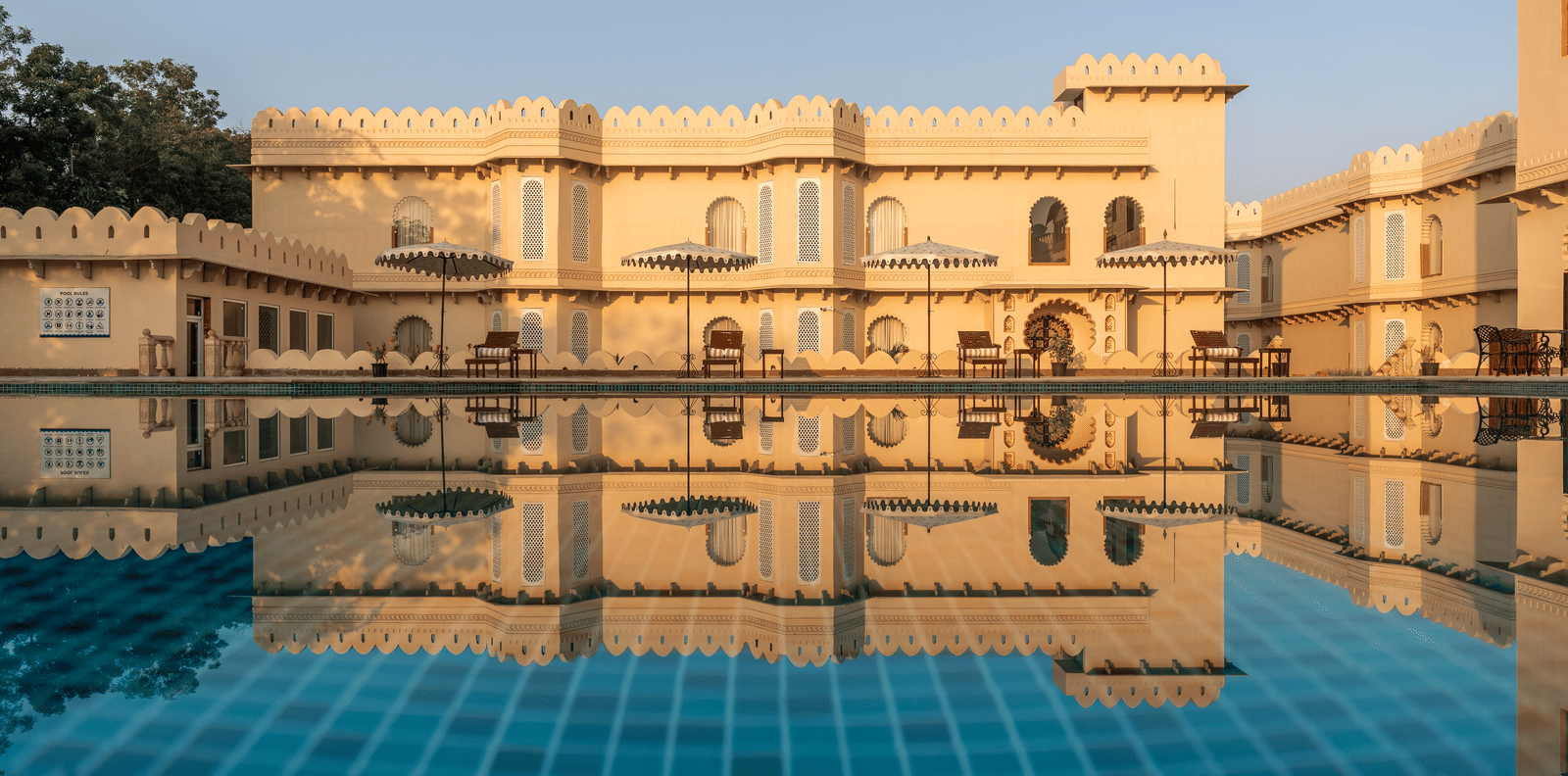
At Kesar Bagh Palace, you can return from the fort and slow down by the pool, book a massage, or unwind in a heritage suite. Travelers looking for a Hotel in Chittorgarh can use the palace as a comfortable base for sightseeing, whether they are travelling independently, as a couple, or with family.
Travelers comparing a stay with a hotel in kumbhalgarh can also consider Chittorgarh as a comfortable base for a wider Mewar itinerary. The key is to choose a stay that lets you rest properly after a long heritage day.
Chittorgarh Fort: A Practical Checklist
- Visit window: plan around 9:00 AM–5:00 PM, while confirming current gate conditions locally.
- Time needed: at least 3–4 hours.
- Carry: water, sun protection, comfortable shoes and a phone/camera.
- Transport: use a car, taxi or auto-rickshaw for longer stretches.
- Must-see: Vijay Stambh, Kirti Stambh, Rana Kumbha Palace and Padmini Palace.
- Photo strategy: start with the major towers before the day gets crowded and bright.
- Family strategy: slow the pace and build in shade breaks.
- Stay strategy: choose a Hotel in Chittorgarh that gives you an easy return after sightseeing; at Kesar Bagh Palace, guests can enjoy pool time, a massage or a relaxed evening in the heritage suites.
Plan Your Chittorgarh Stay with Kesar Bagh Palace
If Chittorgarh Fort is on your itinerary, make the stay part of the experience. Kesar Bagh Palace gives travellers, couples and families a comfortable base after a long day of heritage sightseeing. Return from the fort, cool off by the pool, enjoy a relaxing massage or settle into a heritage suite before dinner.
Planning a Chittorgarh Fort visit? Contact the Kesar Bagh Palace team to plan your stay, ask about room options and make your sightseeing days more comfortable.